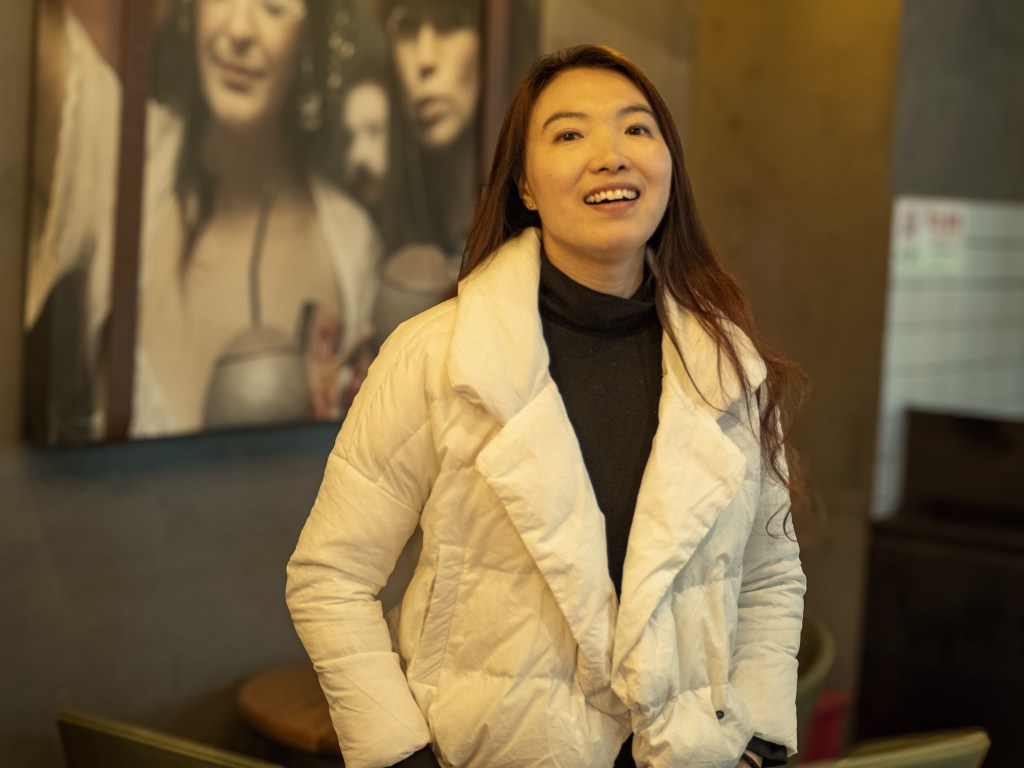
Vivi is a 38-year-old mom. She lives in Shanghai, where she studied, got married, and is now raising her three-year-old daughter, Naomi, with her husband.
Vivi is self-employed. She is a Chinese language tutor who created her own company, which offers private Chinese lessons, both offline and online. Due to this type of work, Vivi has gained knowledge about various cultures.
Pregnancy and Delivery
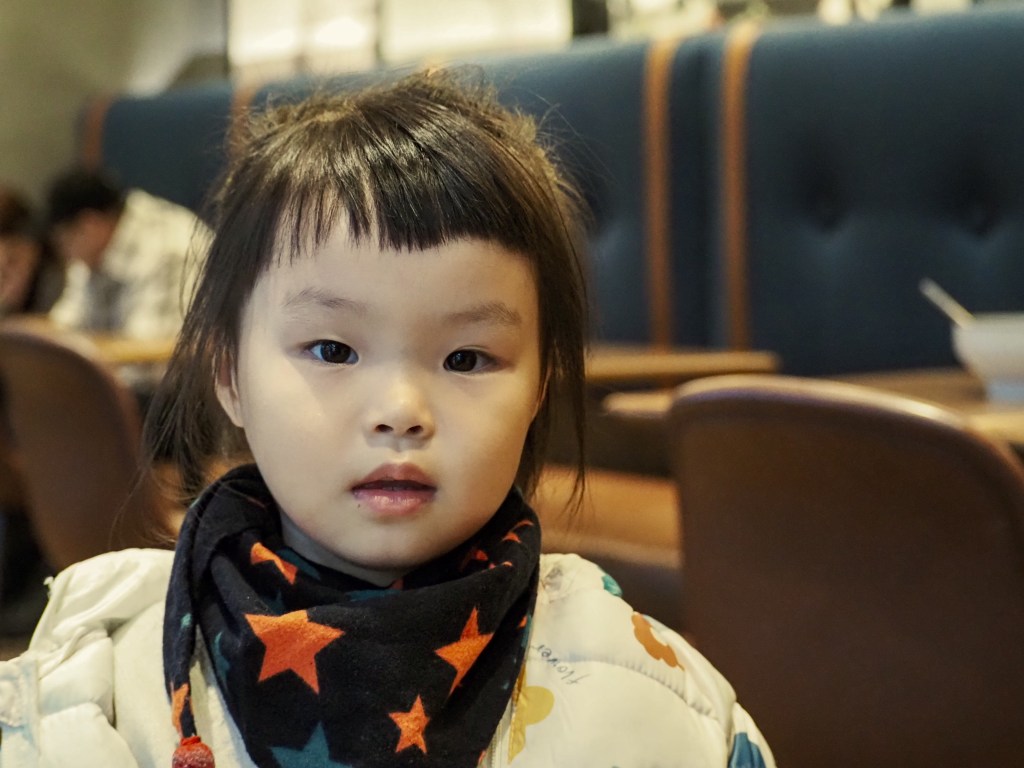
Her pregnancy overall was a smooth journey. She delivered Naomi on the 1st of June 2020, children’s day in China. However, Vivi had to have a C-section because of her health condition, which made the postpartum recovery and breastfeeding more challenging. “When the doctor cut my belly and pulled out the baby, it felt so light and good, but then I heard the baby crying, and my tears came out. I became so touched and emotional because I realized that my baby just said goodbye to the place she lived for some period.”
Sitting month
By the old Chinese tradition, after delivery, the mother is supposed to have a “sitting the month” (zuo yue zi.) That means she needs to stay indoors for one month and let her body heal by avoiding doing sports and eating cold food. People believe that a mom’s body is very vulnerable and easy to get sick. Most of the countryside still follows this tradition. However, women in urban areas make it more flexible.
In the past, the rules were more strict. For instance, women could not shower or wash their hair. Traditional Chinese medicine says that during birth, a woman loses a lot of blood, which creates an imbalance in her body. All these actions can help to get it back.
Grandparents support
At this moment, the participation of the grandparents in the life of a new family is crucial in China. Most grandparents take care of a newborn to give time for a new mom to recover. It is always a bittersweet feeling for the parents. On the one hand, you have significant support. On the other hand, you need to stay under the same roof for the long period of time.
This situation is common for Chinese families. The reason is that maternity leave is very short, only four months. When mothers return to work, they usually ask for grandparents’ help. The concept of nurseries is not so popular in China.
Vivi faced this situation. Her husband’s family came to stay with them for quite a long time to support them with Naomi. Vivi says, unfortunately, their traditional approach made their life unbearable. She shares some examples. “When Naomi was only one month old, my mother-in-law used a rope to tighten her legs to make them straight… And when we shower my daughter, sometimes she tries to pull out her nipples, being afraid that they might stay inside…” These are only two examples of the old-fashioned way, which now is completely losing popularity. But some of the older generation still believe that this is the right approach.
Day to day
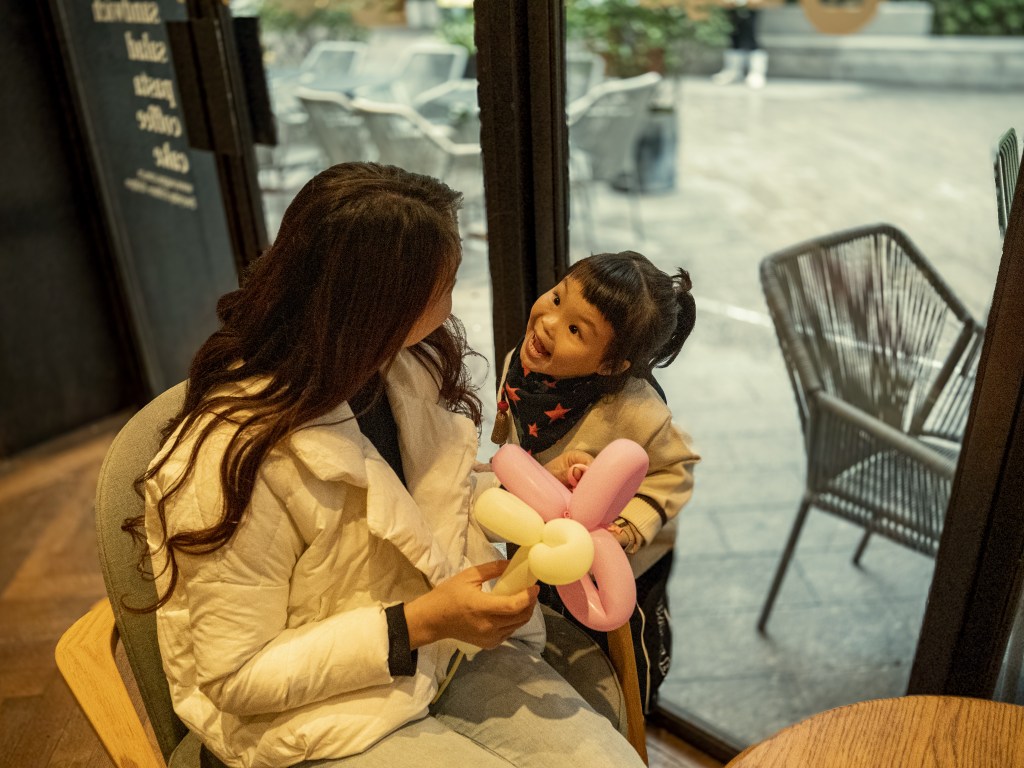
Luckily, Vivi’s work gives her a lot of flexibility. By being able to make her own schedule, she always prioritizes her time with her kid. They often spend the days together. Her daughter loves going shopping and cooking with her.
Chinese Tradition: 100 days
Vivi loves to get knowledge from her international friends about parenting, but she also loves to follow Chinese traditions. For instance, a 100-day celebration for their baby. Vivi explains that in China, a family introduces a young baby to the rest of the relatives and friends after 100 days of life. Chinese people believe that baby is much stronger after this period. Families usually arrange an enormous celebration for their babies. Vivi and her husband invited 200 people. One of the typical gifts these days is a “red envelope” with a paired amount of money.
Why Chinese people afraid to have more than one kid?
Vivi is a mom who truly enjoys her motherhood. Being a mom and a friend to her daughter brings her true happiness. She, surprisingly, doesn’t want more kids.
The world heard about China’s policy of having only one baby from 1980 to 2016. The government currently permits having three kids. However, Chinese people prefer having only one kid or not having kids at all. Financial and social aspects are the reasons behind this. “When the baby grows and goes to primary school, high school, and then university, I will face many problems, especially financial and social. With education, there is enormous pressure in the traditional Chinese school. First, the children receive a lot of homework. They finish doing their homework around 11 p.m. No time for any hobbies or activities. The average weight of the school backpack is 10kg.”
Vivi shares that Chinese parents spend around 10 hours a day at work, and then, when they get back home, they spend many hours doing homework with their kids. It is a tremendous pressure on children to be successful and have top grades. It gives them a ticket to enter a high school. Chinese high schools require top grades for admission. Otherwise, children might continue their education at other institutions. These reasons discourage people from having more children. Parenthood seems to be a tiring and stressful experience for young people.
Life advice
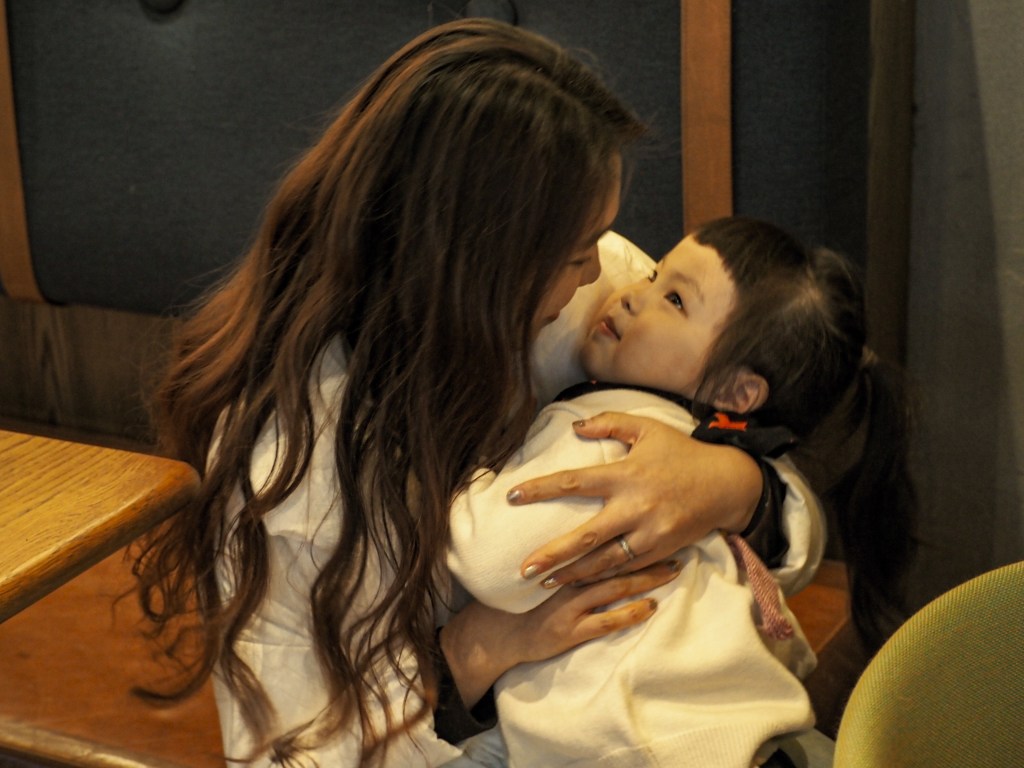
In China, traditional gender roles prevail, especially in the countryside. Most of the families would welcome more boys than girls in their family. Men are the ones with power and money. Many parents wish that their daughters marry a wealthy man.
Vivi opposes this approach and jokingly advises her daughter that marriage is unnecessary. “Do not be in a hurry and enjoy your life. Do not look for a rich man. Better try to be a rich woman.”
 Mamas' Stories
Leave a comment