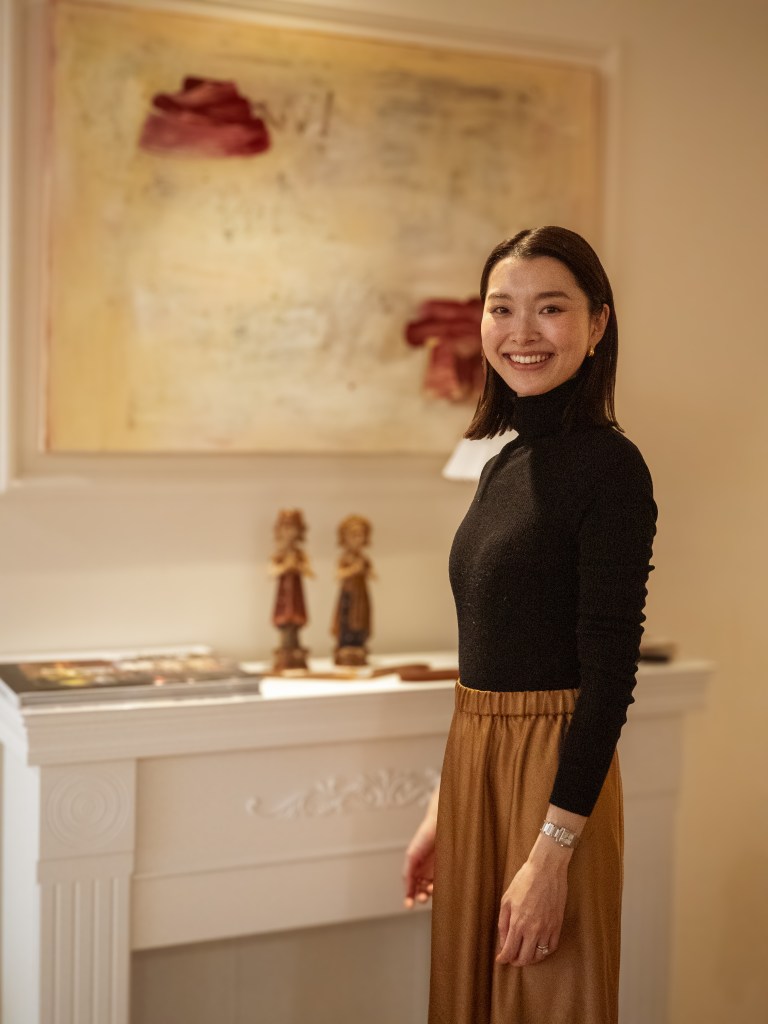
Haruka was born and raised in the Kyushu area of Japan, in Fukuoka and Saga cities, with natural landscapes. She was raised by strict parents. “I grew up to be a serious child who doesn’t want to break the rules.”
She went to the junior and high schools for the girls only. After that, following her mother’s suggestion, she completed her university degree in pharmaceutical medicine. With a smile, Haruka states she was exposed to a feminine environment for most of her life.
When she was 26, she met her husband, Taka, through a friend. They lived in different cities and had a distant relationship for some time. Currently, they live in China, where they are raising their fifteen-month-old son Kai.
“My husband is the complete opposition to me. He is very tolerant, confident, and unconventional.” He grew up in the States in a very relaxed and open-minded environment. She says that his mindset is more American than Japanese. He also has two brothers, and Haruka, on the contrary, has two sisters. However, regardless of coming from families with very different approaches to raising kids, they complete each other, which reflects beautifully in their happy child. Haruka says she noticed that she became more flexible and more open-minded after meeting Taka. Especially after becoming a mom, she realizes that being too strict with the child may provoke a loss of confidence in himself. “Confidence is crucial for the child. If he is confident, he can love himself and bounce back no matter what happens.”
Raising kids in Japan
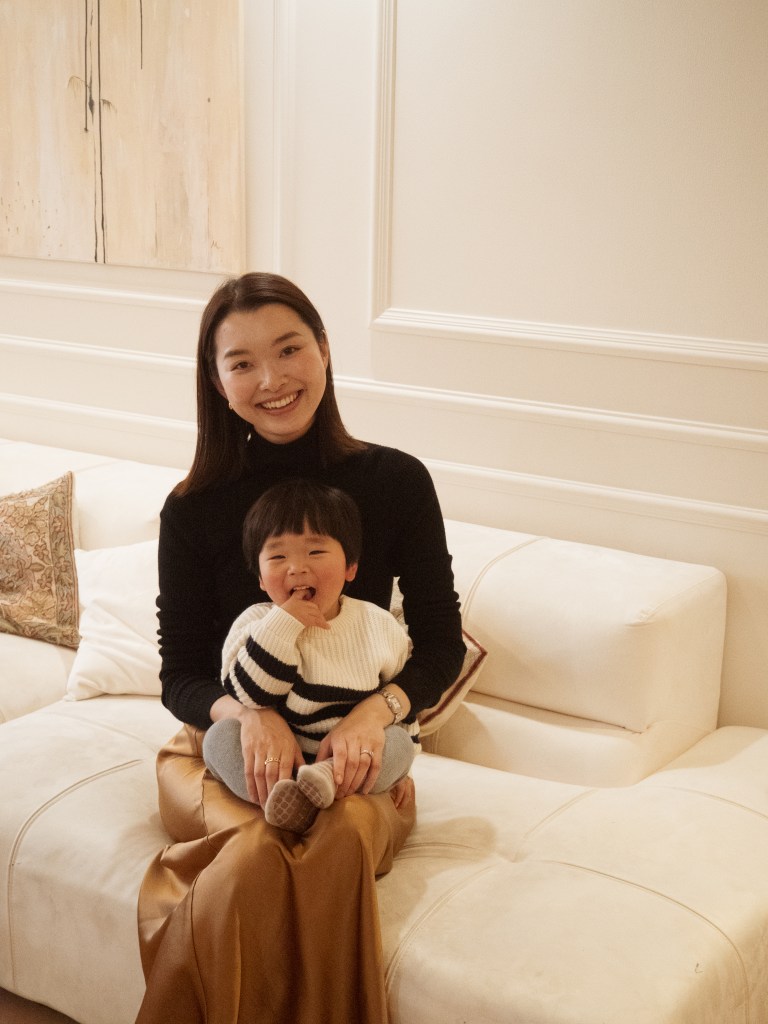
The mother’s role in the child’s life has always been significant in Japan. Japanese people believe in the power of mother-child relationship during the early years of life. Haruka mentions, “In Japan, there is a deep-rooted belief that housework and childcare is the mother’s job. Though this is changing.” Women go to work, and because of this, sharing responsibilities for raising children starts to be equal. This is significantly more present in the big cities. The father’s parental leave is also more popular.
Currently, the maternity leave is one year. After that, the baby goes to the nursery. Babysitting is rare in Japan. It is difficult for mothers to trust strangers with their children. Grandparent support is also not popular. People live in different cities than their parents. Many Japanese grandparents prefer to enjoy retirement rather than take care of their grandkids.
In Japan, parents raise children to prioritize the interests of others, not their own. Humility and modesty are the values that kids learn at home. “Children are raised to be humble, not self-affirmative and confident persons,” says Haruka. She gives an example: If you would praise a Japanese child about his abilities, the typical response of his mother would be that the child is not great at that. Haruka says, “The issue here is that if it happens in front of the child, he might lose confidence in himself.” Society is slowly changing this approach. You can find more and more childcare books that teach prizing self-affirmation. Individualism starts to be more and more present among young people. It might be the reason for the significantly declining birth rate.
Life in Shanghai
Haruka moved to Shanghai in 2022 because of Taka’s work. Ten months later, their son Kai was born. Haruka mentions Shanghai succeeded in meeting their expectations, and she finds life very comfortable. “It is easier to raise children in Shanghai than in Japan. Regardless of any trouble or noise caused, people here treat children kindly and patiently. There are also many exciting baby exhibitions and classes. Japan, on the contrary, is not always kid-friendly. For example, some restaurants may not allow children in.”
Haruka’s son Kai
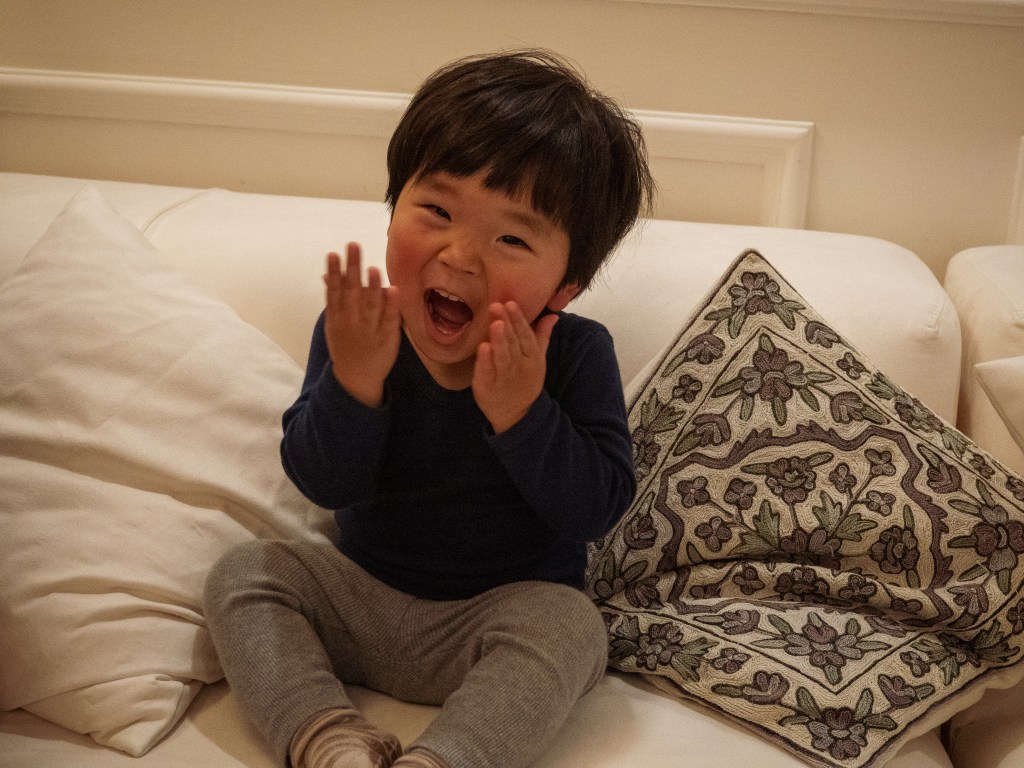
The name Kai comes from Hawaiian origin, meaning “sea.” Haruka and her husband were looking for a name that might be easily pronounced in different parts of the world. Also, the origin of the name has a special meaning for them, as they got married in Hawaii.
Haruka describes her son as a friendly boy unafraid to take on challenges. In Japan, there is a small tradition called Erabitori. After the baby’s first birthday, their parents gave him a set of items to predict his future profession. Kai picked the piano. Therefore, it is not a surprise that he loves moving his body and starts dancing when he hears music. “I want to give him various stimulations while he is little. Synapses in the brain are formed by age 3, so I go out often, go to the baby classes, and play with friends. Especially recently, he has a lot of energy, so I want to release it as much as possible outside by going to the park with him.” One of his favorite activities is taking a bath. “When we went on a hot spring trip to Japan when he was three months old, he looked so happy and peaceful.”
Haruka and Taka love to travel, so they never gave it up after Kai was born. They have been traveling with him all over China, visiting Guilin, taking him to the Chinese desert Yinchuan on a camel ride, and showing him panda in Chengdu.
Challenges and pleasures of a motherhood
Finding a balance in motherhood is always challenging. Haruka takes care of Kai entirely, and finding time for herself is tricky. However, it does not stop her from doing what she loves. For instance, Haruka decided to learn Chinese when she moved to China, so she currently attends classes together with Kai.
For a moment, she does not consider returning to work. A full-time job might take away from her the thing she loves the most – taking care of Kai. “I want to stay home while my child is small and cherish my time with him as my mother did.”
Growing their son far from the family and close friends is also not easy. However, this disadvantage strengthens them. After Kai was born, staying at home without help with a newborn child encouraged Haruka to help Kai sleep through the night. Her efforts were worthwhile. Kai was a good sleeper from a very early month of life.
Life advice
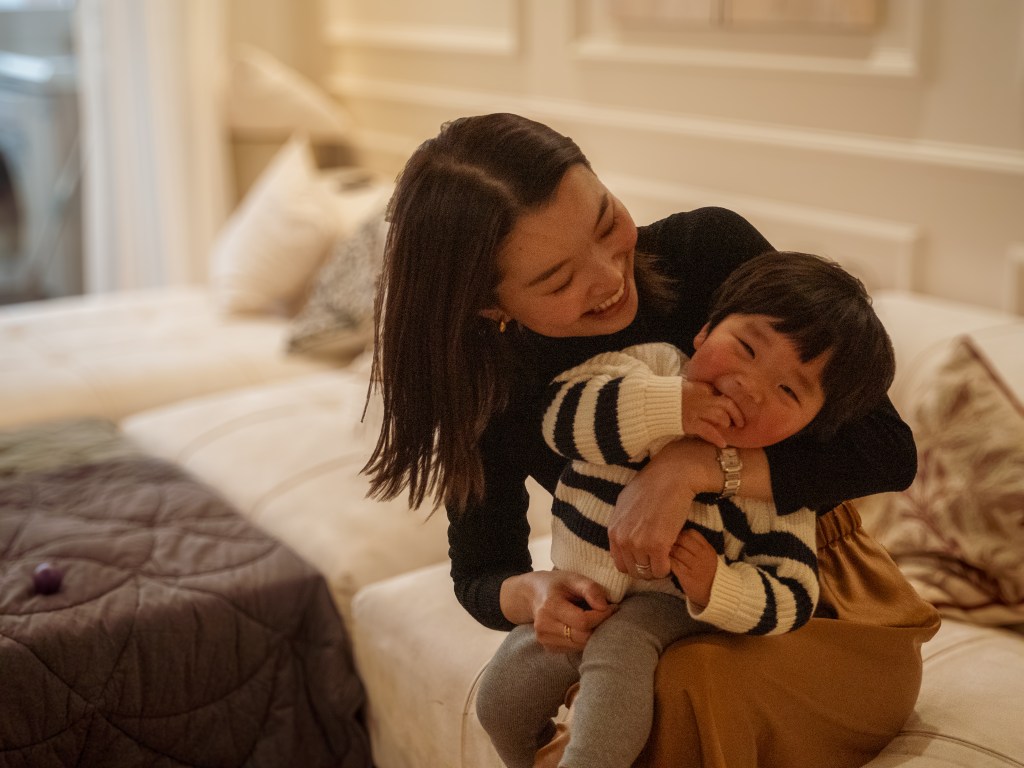
“If I need to give him life advice, I would say: Always look on the bright side of life. This is the title of a British song, but it’s true. In Japan, there is a culture of being able to read the atmosphere 空気を読む and not cause trouble to other people. I’m not too fond of this approach. It seems that sometimes it is used like force to be pandering to others(even if you do not think so, you might agree with them). I do not want my son to read the other person’s face. I want him always to be honest and confident with himself, to experience a lot, and to enjoy his life!”
 Mamas' Stories
Leave a comment