
Stephanie was born and raised in Germany. Her life changed a lot after meeting her future husband, Kerim, as they got an opportunity to move to China in 2021. After exploring a new culture, they soon got pregnant, and in September 2023, their son, Nadi, came into this world. Nadi is a name of Arabic roots. They pick this name as Kerim is the son of a Tunisian father. They looked for a name that is easy to pronounce and write in any other language.
Pregnancy and delivery
Her pregnancy was a very smooth journey. Her body was powerful. There were no morning sickness or unpleasant surprises. “I enjoyed being pregnant and focused on it,” Stephanie says. She followed the pregnancy journal and found that her body performed in a way that matched what was described in it. She always knew what to expect.
Stephanie decided on a natural delivery without anesthesia. A piece of advice she received helped her stay strong during labor: when you feel like you can not do it anymore, it is a sign that the baby is almost here. So, the moment her strength was leaving her body, she knew it was almost over. Luckily, the entire process was quick, too.
Overall, she stayed very active during her pregnancy. “Next time, I will defenitely rest more, sleep more, and let the entire world wait. Especially by knowing what comes after delivery,” Stephanie says with a smile.
After delivery

After two days in the hospital, they arrived home. Hence, the most overwhelming period has started.
“We are trying to survive,” a text Stephanie sent to a friend after a week with a newborn at home. “Your body requires some rest and recovery as hormone levels fluctuate. However, you have a newborn who is dependent on you. Although you want to do the best for your child, you are very tired.”
Stephanie tried to prepare herself for motherhood as much as possible during her pregnancy. They attended various courses, such as safety sleeping, first aid, and colicky babies. But, when the new baby arrives, theory becomes insignificant, and practice takes precedence. You are learning from scratch how to breastfeed, change a diaper, bathe your baby, and stop him crying. “We were alone with my husband, far from home, far from our families, and close friends.”
In China, the concept of a midwife is not common. “I missed that a lot. I missed the guidance and someone telling me I was doing it all right. We are, as new moms, many times lacking confidence. The support you receive at the beginning is crucial,” says Stephanie. Luckily, her husband has this unique ability to make her feel calm. Passing this period together really strengthens their family.
Challenges
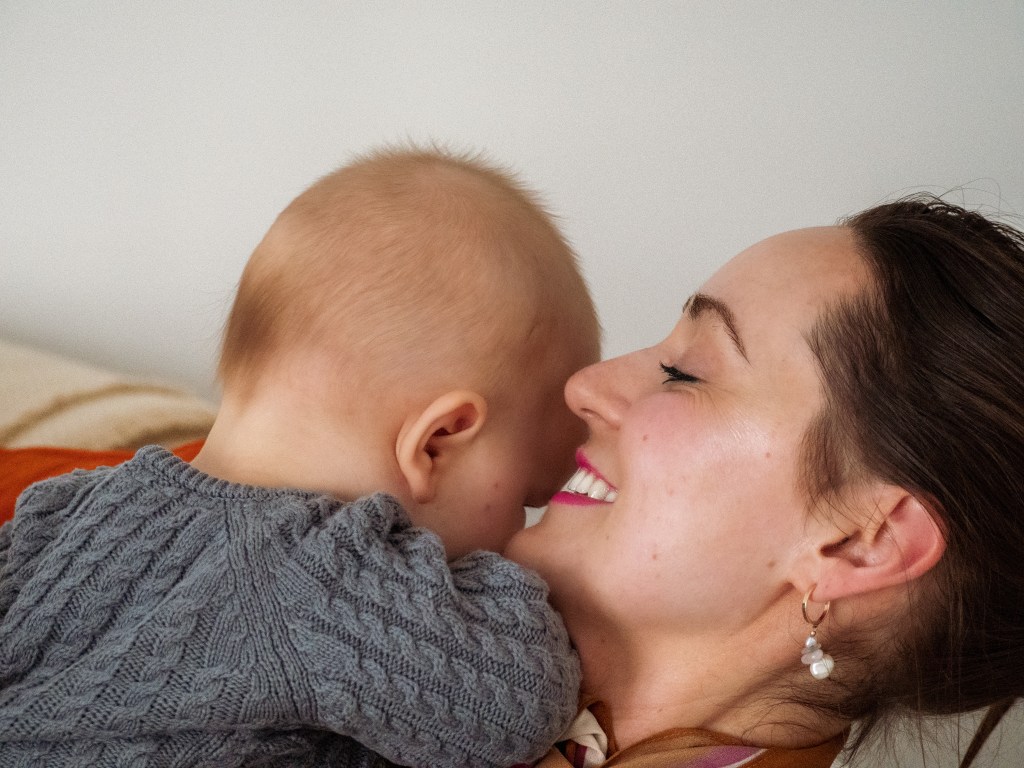
Not all mothers have an easy start, and many feel guilty admitting to their challenges. They feel they must handle this, and they remain silent. “When you meet other moms and hear how easy is for them, you try to avoid expressing your feelings. You try to not look weak. You feel that you are not doing well.” However, it is not a weakness, and expressing your feelings may be helpful.
“The day your baby is born, you become a Mother. It is a life-changing moment. Your life will never be the same as before. Balancing your identity before motherhood with your new role is a challenge, but you soon realize that a perfect balance may not be achievable. Your child’s needs will always be a priority for you.”
Stephanie says so many things looked different than she imagined, for instance, breastfeeding. “When you are not a mom, you think that breastfeeding is easy and harmonious, but then comes reality. You lack confidence. You are not sure if your baby is getting enough milk. You are overwhelmed. The world seems to collapse.” She chose to breastfeed because she wanted to do the best for Nadi. But with that comes all the fussiness and many sleepless nights. Studies showed that formula-fed babies are much happier. It seems like a secret that mothers do not tell each other to avoid discouraging breastfeeding. Research suggests that formula might make babies fuller and makes them easier to settle than breastfed or combination-fed babies. However, researchers mentioned that fussiness of the breastfed babies is how they ask what naturally should be given to them. It is just a way of expressing their needs.
Another challenge for a new mom is that you do not trust yourself. You feel inexperienced. You follow advice from books and the internet, but things look different for you and your baby. In the end, you learn to follow your instinct. Stephanie makes a good example: many books teach how co-sleeping is dangerous for your baby, and at the beginning, you try to avoid it, but at some point, you cannot. You feel stressed and anxious because you think you are doing something wrong. You take recommendations rather than understanding what your baby needs.
Stephanie admits the most valuable advice came not from the book or the internet but from moms around her, who opened up with the tips. However, she says, each baby is so different, and it does not always work for Nadi what worked for other babies.
Nadi was also a colicky baby, and the first three months were intense for Kerim and Stephanie. He suffered a lot, so Stephanie needed to hold him and keep him close to her breasts all day long. The “four-trimester” theory might be a reason behind the difficult three months. Because of the baby’s size, the mother’s body can’t care for four semesters. So, they say that babies are born three months earlier. They are vulnerable and need time to adapt to the new world.
“Everyone told me to enjoy the newborn period, but I could not. I heard my baby crying, and I did not know how to help him. It was heartbreaking. We tried it all: massage, medicine, all the tips from friends, books, and the internet. In the end, nothing worked. This big world was so overwhelming for our little human. He needed time to get used to it.”
Things looked brighter after three months, and after five months, it was an enormous change. Stephanie says: Suddenly, I see my baby is happy. He smiles, and he interacts. And his smile lets me forget all sleepless nights. I know my baby better than anyone else. I know what he needs and how to make him happy. I really love this time now.
Things would do different
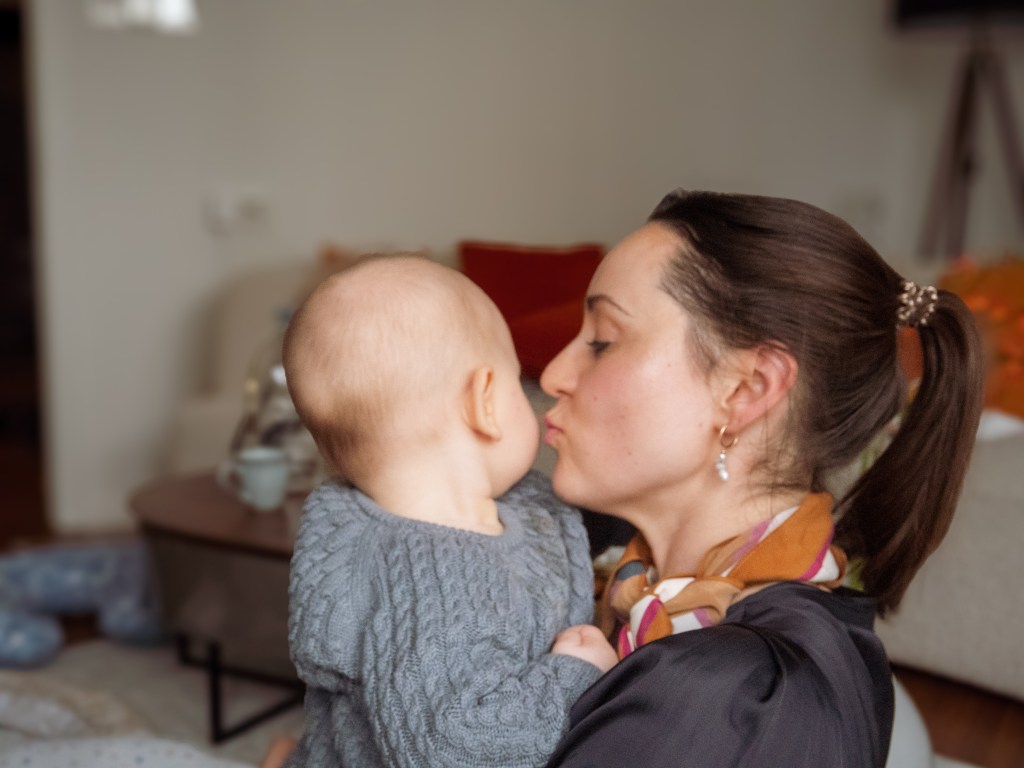
“If I become a mother again, one thing I would do differently: I would trust my intuition first and not other sources. In the end, I am a mom. I am the one who spends 24 hours with my baby and knows him the most. My instincts are the best cures for him.” When you become a mother, everyone around you starts to bomb you with tips: do not hold him too much, as he will get used to your arms; do not let him use you as a pacifier. Stephanie says: True is you need to follow what your baby needs. If he needs your closeness, that is what you need to give. You are his comfort, his safe place.
She learned another valuable lesson: following the baby’s clock is crucial. She wishes she had understood this earlier. Once they started to respect Nadi’s timing, things got much easier. “Previously, when friends visited and stayed too long, Nadi would become overtired, leading to tough nights.”
Growing together

On the 10th of April, Nadi turned six months old. He is growing into a bigger baby, starting his solids, and having more interactions. Stephanie notices herself feeling much more confident and calmer. They are growing together as a son and a mom. They have already taken two big trips together: visiting family for Christmas in Germany and camping in New Zealand. Stephanie shares that traveling with a newborn is not a simple experience and timing is important. “It was cold in Germany, and Nadi got sick and stayed sick the whole time we were there. Luckily, I had enormous support from my best friend, who helped me. This trip was done for our parents to see their grandson. New Zealand was the opposite. We were camping in the beautiful nature, following Nadi’s rhythm. This trip we did for us, for our small family, and we truly enjoyed it.”
Life advice
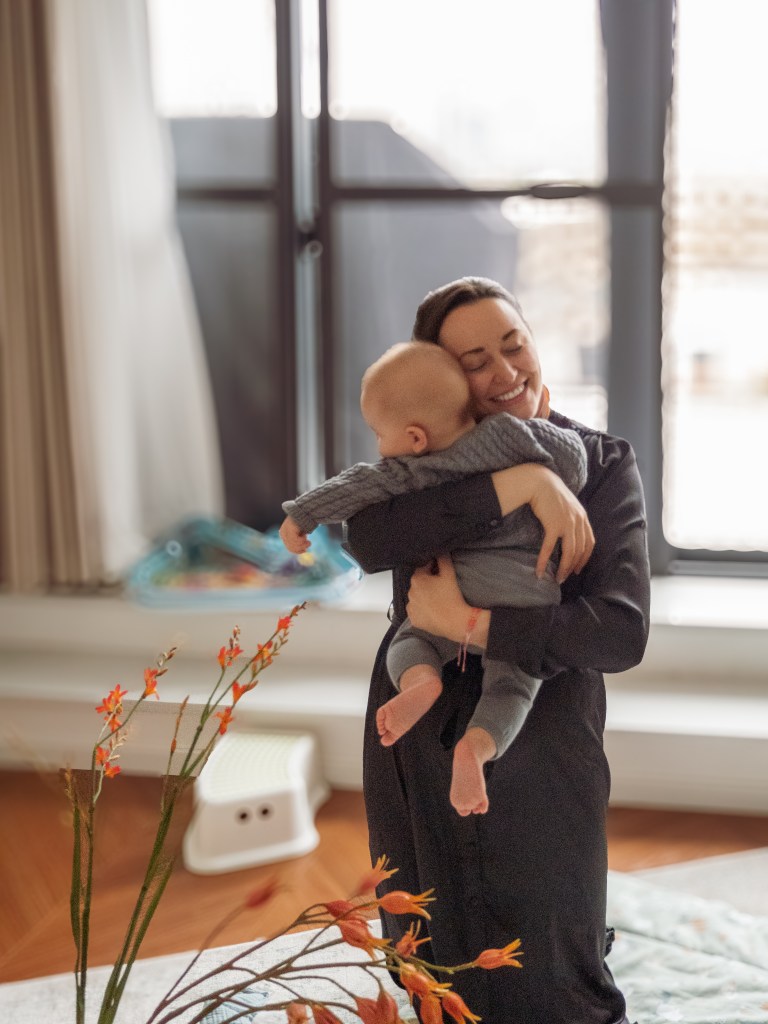
“Find out what makes you most happy in life and focus on it by not trying to please others and instead follow your own instincts.”
 Mamas' Stories
Leave a comment