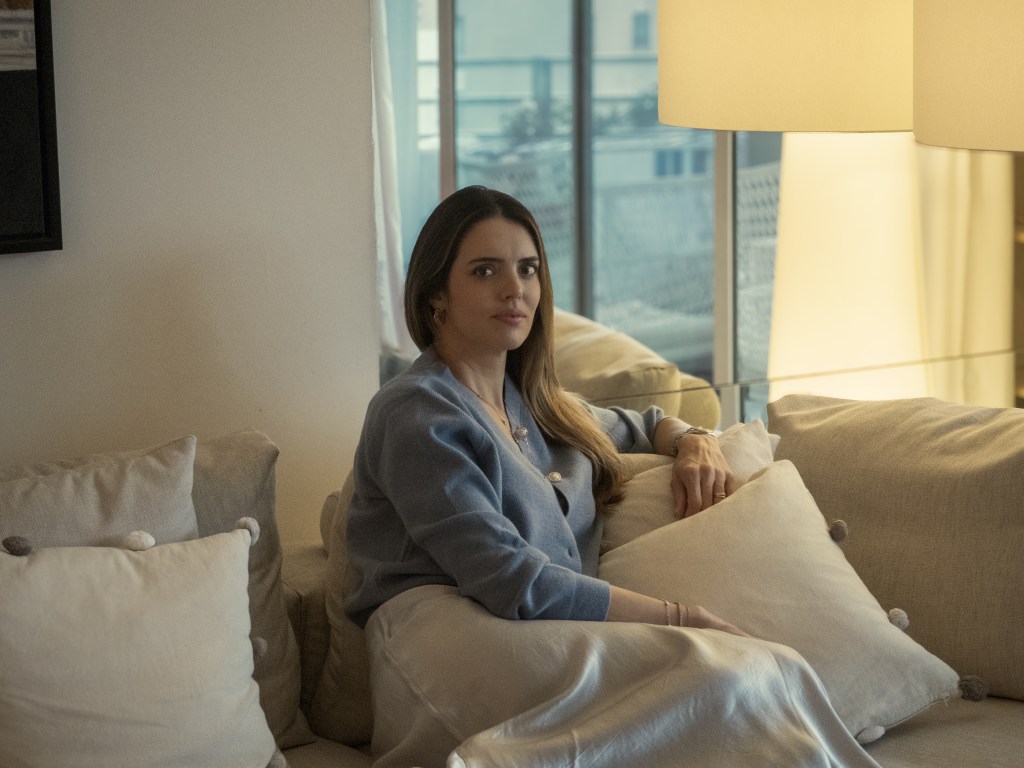
Francesca is Italian and comes from Brendola (Vicenza province.) She was born in January 1985, and the very next day after her birth, Italy saw its heaviest snowfall. It felt like nature was celebrating her arrival — powerful, steady, and full of quiet strength.
Francesca studied Law but soon realized that becoming a lawyer was not her true aspiration. During this time, she also pursued modeling, which provided her with financial independence. With her modeling income, she was able to afford her own apartment and cover her living expenses.
At the age of 25, Francesca met her future husband, Riccardo. They began dating, and eventually, he proposed that they move to China together. This was a pivotal moment in her life as she was at a crossroads, thinking about her next steps. Everything seemed to fall into place perfectly. In 2011, she joined him in China. They found an apartment and began establishing their own furniture business, soon opening their first office in Shanghai.
Francesca truly is a woman of a big heart; she constantly thinks of others and loves to help whenever she can. She is a member of the ADIS (Associazione delle Donne Italiane) organization in Shanghai, that supports Italian women, and engages in social and charitable activities.
A journey to become a mother
Having children was always part of Riccardo and Francesca’s plans. From the very beginning of their relationship, they openly discussed their desire to have kids in the future. Francesca even laughs about how, on their second date, they talked about potential names for their future child. Riccardo liked the name Vittorio for a boy, while Francesca preferred the girl’s version, which sounded beautiful to her: Maria Vittoria. Years later, they named their daughter Maria Vittoria, just as they had planned. However, there is a long and hard-fought journey that led them to this special moment.
Getting pregnant
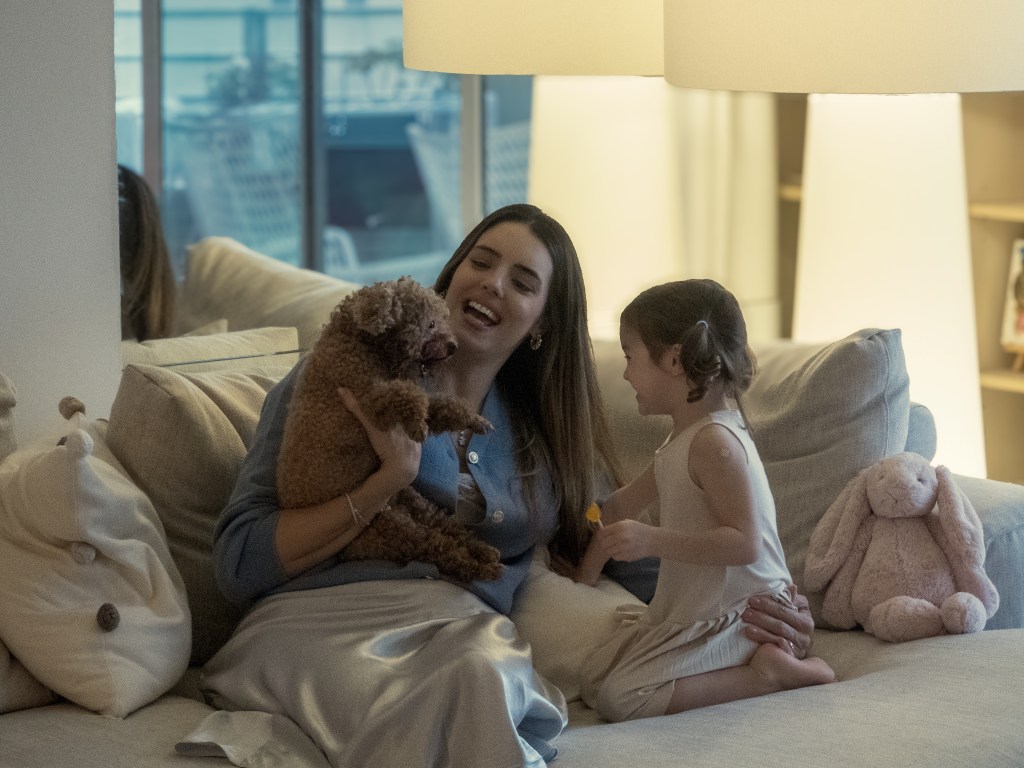
The couple got married in 2013, a year after they decided to have children. Francesca recalls, “Before taking that step, I had a full-body checkup just to make sure everything was okay. All the tests came back normal, with no surprises.”
They tried to conceive for a year without success, so Francesca went for another checkup, and once again, everything was fine. Riccardo went for a check up as well, and he too was found to be healthy, with no complications.
Francesca shares, “With each checkup, I hoped they would finally discover the issue, but strangely enough, no problems were found, and we seemed completely healthy to conceive naturally.” Despite their continued efforts, they were facing unexplained infertility. As life delayed her dream of having a baby, she focused on bringing another dream to life. “My work, establishing our own business in China, helped me stay mentally healthy during this challenging experience of negative tests.”
After three full years of trying, they felt it was time to explore other options.
IVF
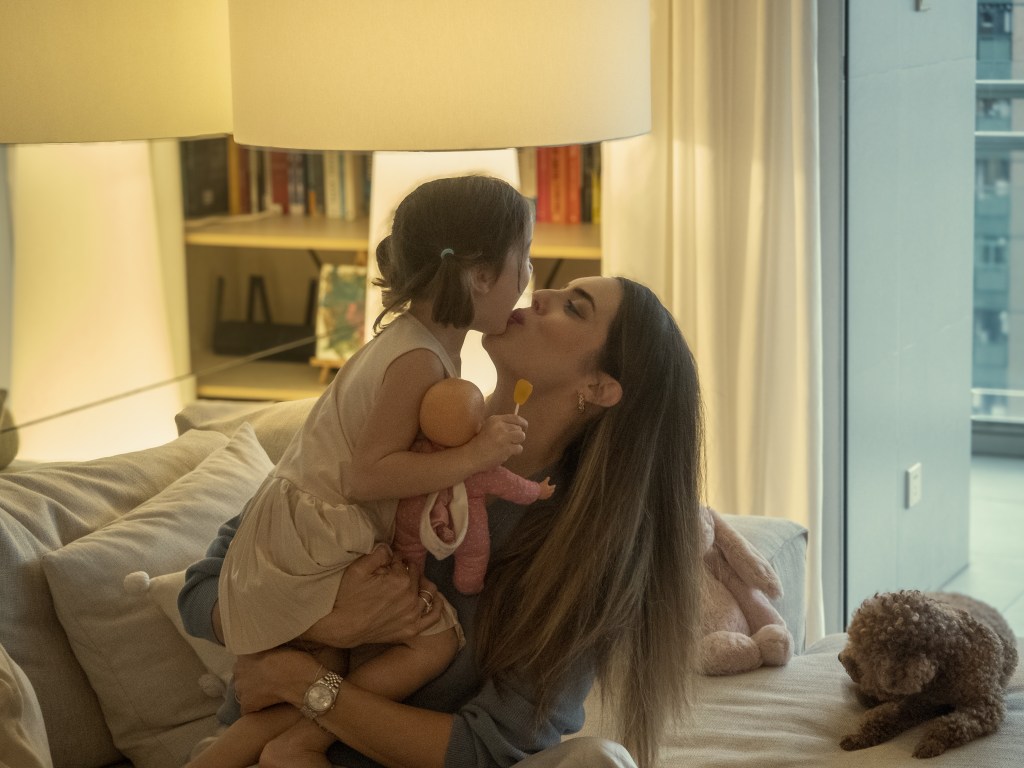
A friend of theirs mentioned an IVF support group in China, which Francesca decided to join. In the group, she met an Italian woman who shared her own IVF journey and encouraged Francesca to give it a try. This conversation marked the beginning of a challenging new chapter in Francesca’s life.
At the start of the IVF process, Francesca was 30 years old. The Chinese doctor informed her that the chances of getting pregnant via IVF at this age were between 20% and 25%. Francesca underwent numerous medications, shots, and tests. She experienced a significant hormonal imbalance, which affected her weight.
In June 2018, she had her first egg retrieval, during which a total of nine eggs were collected. Out of these, three developed into embryos, and one reached the blastocyst stage.
“IVF regulations and practices vary by country. In China, it was common to transfer embryos at earlier stages (such as day 3), while, for instance, in Spain, clinics typically transfer only blastocyst-stage embryos (day 5 or 6). The reason is that blastocysts generally have a higher chance of implantation and pregnancy compared to earlier-stage embryos,” says Francesca.
After the first transfer, nothing happened. They conducted tests on her immune system, and two months later, a second transfer was performed, again without success. Francesca began to lose faith in IVF in China and planned to start treatment in Italy. In 2019, she underwent more tests in Milan, but as COVID-19 approached, they could not fly to Italy to start IVF.
In 2020, they resumed IVF in Shanghai. “In Italy, when they retrieve the eggs, the patient is under deep anesthesia, but in China, they use intravenous (IV) sedation or short general anesthesia. The sedation I received didn’t fully work; it was a very painful and terrifying experience for me.”
They retrieved 29 eggs; 11 of them became embryos, and nearly all of those developed into blastocysts. She had two more transfers, and suddenly, she became pregnant. A heartbeat was detected, but her beta hCG level was very low. The doctor informed her that she might experience a miscarriage. Unfortunately, the heartbeat eventually stopped. The doctors prescribed medication to help her complete the miscarriage naturally. Francesca took two doses, hoping her body would respond, but nothing happened. After waiting and following the doctor’s advice, it became evident that the medication alone was insufficient. Ultimately, she had to undergo surgery.
Francesca shares an important lesson from her journey that she hopes will help other women: IVF doesn’t guarantee a baby — it simply offers a chance to get pregnant.
“Miscarriage broke me apart, but I knew I had lost a battle, not the war,” she reflects. Her husband was her most crucial support during this challenging time. She emphasizes that he never gave up and consistently was backing every decision she made. Support is not just important; it is absolutely essential for any woman undergoing IVF. Francesca mentioned that, besides support from Riccardo and her family, she attended sessions with a psychologist, which she said definitely helped her maintain her sanity.
Another day, another test. A test called the ERA was conducted to identify the optimal time for embryo implantation. While the typical implantation occurs on day 6, it turned out that, in Francesca’s case, implantation was more successful on day 7. They hoped that this discovery would finally improve the situation.
In September 2021, she underwent her seventh transfer. At that point, Francesca faced a chemical pregnancy, where the embryo implants in the uterus but the pregnancy does not progress.
“I was once again losing hope in IVF in China. I felt desperate and began talking to clinics in Spain, where IVF is more developed and often more successful. I planned to travel there soon to start the process over again. However, I had one last embryo left in China. The Spanish agent advised me to use this opportunity and not let it go.” Each embryo was a chance. And luckily, that final embryo was the one that made it — the transfer was successful, and Francesca’s journey to motherhood finally began.
Adoption
When Francesca had her miscarriage, she received a phone call from a charity organization in China. They asked if she would be willing to temporarily care for a child who had just undergone heart surgery. His adoptive family was unable to travel to China due to the COVID situation and lockdown. They wanted to know if she could be his foster family until travel restrictions were lifted.
“This brought me to the emotional edge. I had just experienced a miscarriage, and the thought of becoming attached to a child in my care and then having to let him go might break me.”
Following her thoughts and the advice of her psychotherapist, she realized she needed to say “no.” However, this phone call awakened a desire to explore alternative ways of becoming parents.
Francesca and Ricardo began the process of adopting a child from China and reached the stage where a social worker visited their home to assess whether it was a child-friendly environment. However, after Francesca became pregnant in 2021, they had to pause the adoption process, as Chinese adoption laws prohibit adoption if there is a child under the age of three in the household.
In August 2024, China announced that it would no longer allow foreign nationals to adopt Chinese children through its intercountry adoption program, except in very limited cases. As a result, Francesca and Ricardo could no longer pursue this option.
Pregnancy
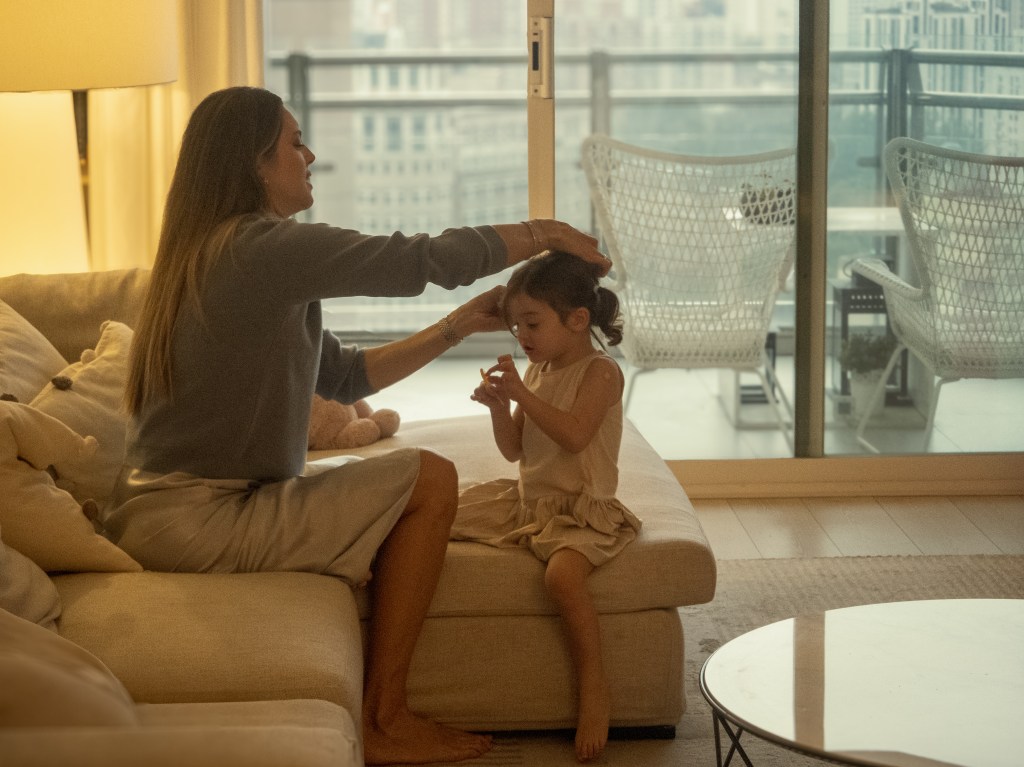
Francesca’s journey is a beautiful example of resilience. After years of medication, miscarriages, surgeries, stress, pain, and loss, she was finally able to make her body a home. However, life had decided she was strong enough to face more challenges.
“Until the fifth month of my pregnancy, everything was absolutely normal. By ‘normal,’ I mean in the IVF world.”
While on holiday in Sanya, China, during her 20-week check-up, the doctor discovered that her cervix was too short, which could lead to preterm birth or miscarriage. Francesca shared that on the day of their check-up, she was feeling extremely stressed because of all the complications in her pregnancy. At that moment, she turned to her husband and said, “I want our baby to have both of our surnames, not just yours.” According to Italian law, children usually take only their father’s surname. But after everything she had gone through—both physically and emotionally—this idea brought her a sense of comfort. For Francesca, giving their daughter both surnames would be a way to honor her own role and the challenges she had faced in bringing their baby into the world.
For the rest of her pregnancy, she had to remain at home, spending most of her time lying down or getting around with the help of a wheelchair. “We tried to gain time week by week. The doctor told me that if we could reach week 36, the baby would be on the safe side.”
During week 35 of her pregnancy, she experienced leaking and was rushed to the hospital, where she learned that her water had broken. However, there were still no contractions. She ended up spending a week in the hospital due to the leaking, until the birth, as the amniotic fluid returned to normal. At one point, the baby’s heartbeat began to elevate, and the doctor informed them that an emergency C-section was necessary. Later, they discovered that an infection had caused the early delivery.
Birth

Maria Vittoria Parise Pasetto was born in August 2022, making Francesca a mother after eight long years of struggles and battles. She won the war.
Upon her birth, the baby’s lungs were underdeveloped, necessitating breathing support. She remained in the same room as her mother, assisted by a machine. Unfortunately, the following day the pediatricians informed Francesca that her newborn required more intensive care and would need to be transferred to Shanghai United Family Hospital, which specializes in more severe cases, for two weeks. It was a heartbreaking moment. No mother should have to experience the pain of having her child taken away without knowing if she will ever see her again. Francesca recalls, “It was terrifying. I thought I might never see her again. I was devastated. The night they took my daughter away, I had a fever of 40 degrees with convulsions.”
Riccardo spent his days shuttling between the two hospitals, picking up Francesca’s breast milk and delivering it to their daughter.
The beautiful truth was that Francesca — a fighter in every sense — had brought another fighter into the world. After two days of intensive care, Maria Vittoria’s condition stabilized, and after a week she could soon be reunited with her mother.
Maria Vittoria is now three years old, and her family continues to live in Shanghai. She is a beautiful, sweet, active, and very bold child. Francesca says that, according to the Chinese lunar calendar, Maria Vittoria was born in the Year of the Water Tiger — a sign known for its strength, flexibility, and deep emotions. The Water Tiger is both powerful and adaptable, fierce but also sensitive. Francesca feels these traits show in her daughter’s lively and sometimes restless nature, a reflection of the energy she was born under.
“Sometimes, it’s hard for me to remember everything I’ve gone through and just how intense it was. I wouldn’t wish that experience on my worst enemy. While I was experiencing it, I didn’t fully realize how draining it was; I am only now coming to terms with it over time.”
Living through such turbulence made her realize the importance of self-love — of thanking her body for carrying her through the storm, for holding her mind together, and for giving her the strength to heal and grow.
Life advice
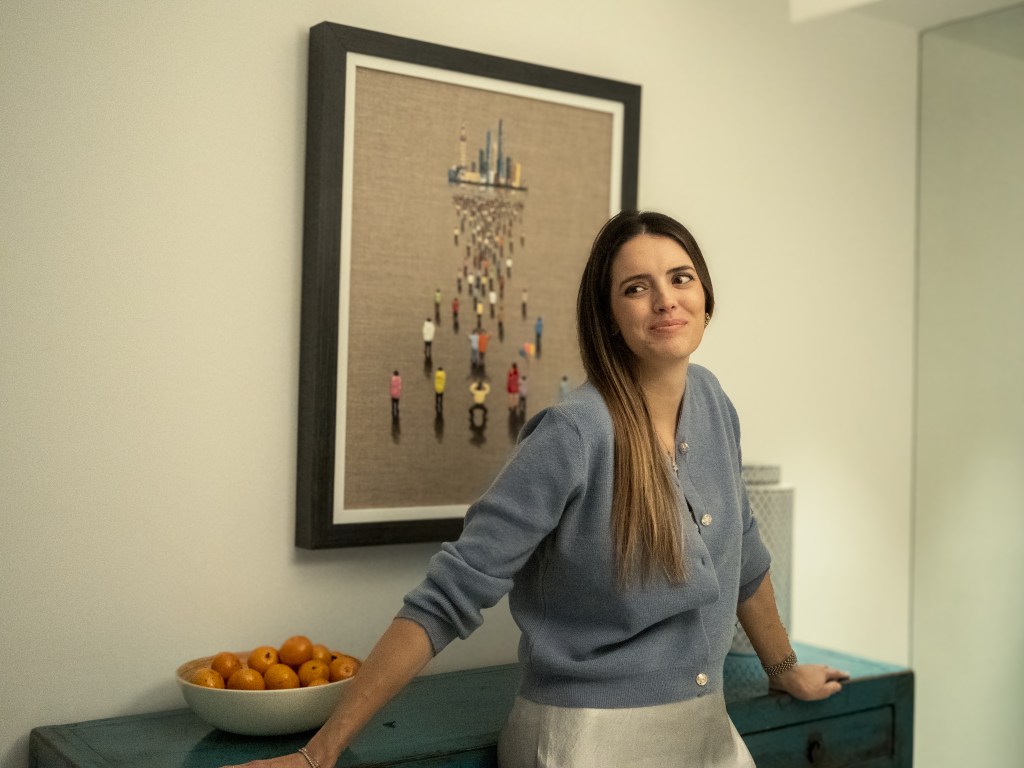
“Learn to find beauty in everything, even when it seems to be missing. Life won’t always be fair, but if you can be grateful, it will always be full. And remember: kindness and a smile are the quietest forms of courage.”
Message from the author:
Thank you, Francesca, my dear friend, for trusting me with your story — for letting me listen to your heart, for opening up once more about such a challenging chapter of your life, and for allowing me to express it in my own words. I hope that one day your magical daughter reads this and feels the depth of love, courage, and strength her mother carries — and knows what an extraordinary woman she has as her guide. I created this piece as a keepsake from you to her. Forever grateful. Julia
 Mamas' Stories
Leave a comment