Julia Teresani

Naz was born in Kota Kinabalu, Malaysia, but her family immigrated to Melbourne, Australia, when she was just 2 years old. She describes herself as “a little bit Malaysian and very much Australian,” especially since she doesn’t fluently speak any of the languages that make up Malaysia, except for English. Growing up in a diverse environment surrounded by Italians, Greeks, Vietnamese, and Chinese, she developed a strong passion for reading and writing. With her curiosity about the world and her academic success, she eventually completed a PhD in Neuroscience.
After graduating, she accepted a post-doctoral position at a research institute in Shanghai, where she investigated new drugs for Alzheimer’s disease and their effects on depression and anxiety. This role provided her with a great opportunity to explore writing for various projects.
After becoming a mother, she decided to leave her job and focus full-time on her family, especially since they were living away from their home country.
Her Family

Naz and her husband moved to Shanghai in 2015, and they have been living there for 10 years now. They adopted a rescue dog named George, who is their first furry ‘baby,’ and in 2020, their baby girl, Zoe, was born, and she is now 5 years old.
Pregnancy, Birth, and After
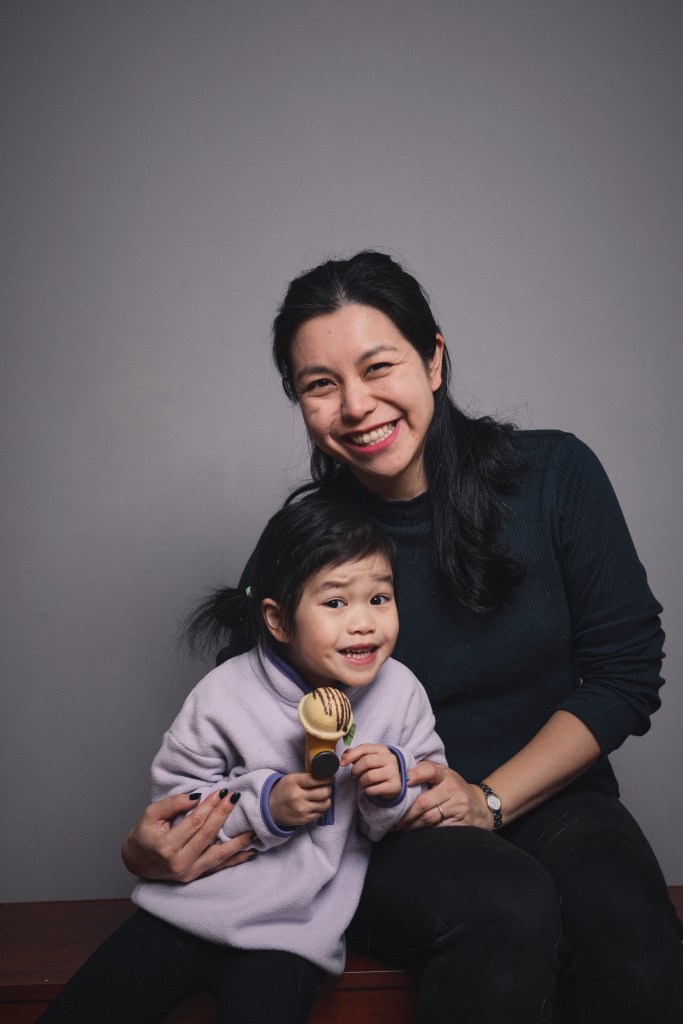
Naz had an easy pregnancy and truly enjoyed the experience. She didn’t suffer from any nausea, vomiting, or intense cravings; overall, it was quite pleasant. Both Naz and her husband were very excited, especially since her first pregnancy had ended in a miscarriage at around eight weeks.
Her daughter’s birth was meant to be a planned cesarean, but two days before the scheduled date, her water broke. “Everything happened so quickly that I didn’t even have time to remove my nail polish.” In the operating room, the team struggled to get the anesthesia right, and her doctor eventually insisted they increase the dosage. Naz ended up numb from the shoulders down. Although the birth itself went smoothly and Zoe cried right away, complications started afterward. When the catheter was removed, no one checked whether Naz could urinate properly, and for six hours, she was in severe pain. The staff kept giving her pain medication, but nothing helped. When her doctor finally arrived, she was furious — her bladder had overfilled, and she needed another catheter. Naz spent two weeks with a catheter bag, in and out of the hospital, while also waking every few hours to breastfeed after major surgery.
After Zoe was born, the postpartum weeks were incredibly tough in terms of physical recovery. “During the pregnancy, we attended all the baby classes, and I read the ‘What to Expect’ books, but we didn’t have many expectations,” she recalled. “The only class we missed was the one on colic and ‘PURPLE’ crying, which is ironic because two weeks after our daughter was born, the crying began, and we had no idea what was happening.” Every day from 3 PM to 8 PM, Zoe would cry like clockwork. In between feedings, she would cry unless Naz, her husband, or their helper was bouncing or rocking her. This pattern continued until she was about seven months old, with the crying gradually starting later and later each month. Eventually, it just became a soft cry before bed at night.
Coping with Postpartum Challenges
The physical recovery was hard, but the emotional weight was even heavier. Around two weeks postpartum, Naz found herself crying constantly and feeling overwhelmed. Also, being home by herself with a baby that wouldn’t nap for long and cried a lot made it hard to concentrate on anything but the baby. Naz was constantly tired, worried, angry, and irritated by everything.
“I didn’t feel depressed, I wasn’t sad, but I was more irritated, frustrated, and angry. These feelings didn’t go away but continued for weeks. I felt this wasn’t normal and didn’t want to feel this way about myself, my baby, husband, and others around me who were trying to help. I felt stuck in my own head.”
An impact on Family Relationships

Naz recalls: she didn’t want to sleep next to the baby, and breastfeeding felt like an endless chore that didn’t bring her the endorphin rush that everyone had described. She mentioned that the top of her daughter’s head didn’t have the special smell that others often talked about, which led her to believe she wasn’t bonding with her baby as expected. She didn’t always feel the urge to be with Zoe, and getting up at night to breastfeed left her feeling tired, irritated, and angry. Going out with the baby made her anxious; she felt that if her daughter cried or made any noise, everyone around her would judge her.
Sleep deprivation made everything worse. Often, night awakenings contributed to the exhaustion. Naz is not a person who takes naps, so she struggled during the day, and her level of tiredness was overwhelming.
She also admitted that she often took her frustrations out on her husband and even the dog. Naz read that “colic robs mothers of the joyful newborn days,” and she completely agrees with that sentiment.
Understanding Postpartum Mood Disorder
Postpartum Mood Disorder encompasses more than just postpartum depression (PPD), which is often the common association that people make with the term. It can include conditions such as baby blues, anxiety, depression, and even postpartum psychosis. Baby blues are generally mild and typically resolve within a few weeks. On the other hand, postpartum depression and anxiety often require therapy, with the therapist determining the length of the healing process. Postpartum psychosis is a serious condition that demands immediate medical attention and may require hospitalization.
Those disorders are associated with stress, sleep deprivation, hormonal changes, lack of support, and previous traumas (either from childhood or during birth).
Therapy

During the postpartum check in the hospital, medical professionals suspected Naz might have postpartum depression, but all she was given was a questionnaire. “You fill it out, add up the points, and if you’re above a certain number, they tell you that you might have postpartum depression — and that’s where the support ends. There’s no follow-up, no real explanation, just a suggestion to try therapy or consider medication.”
It’s crucial to understand that complications can occur despite taking all the right steps, and they are no one’s fault. What truly matters is recognizing when to seek help and having support during difficult times.
Her husband was the one who gently suggested, “I think we need help.” This was approximately two months after the birth of Zoe. Naz began seeing a therapist at the Community Center in Shanghai—though not a postpartum specialist. Her therapist was a mother herself—and met with her weekly. Naz attended therapy for eight months, starting with weekly sessions, then moving to biweekly, and finally monthly sessions toward the end as they worked on improving her mood. At one point, the therapist suggested that Naz might need medication. “I didn’t feel ready for that option, so I focused on working on my mood at home as well.”
Naz mentioned that therapy was great to have someone who could listen to everything she was thinking about without judgment. They worked towards finding out why she was thinking or feeling this way. She learnt simple thought and breathing exercises to help ground herself and improve her mood. She continues all this through yoga and sound meditation now.
They eventually explored her childhood. “I hadn’t realized how much the way I was raised shaped my expectations of motherhood — how I wanted to give my daughter the presence and closeness I once longed for. I understood that postpartum struggles are not simply “a problem to fix,” but an emotional state that requires awareness, honesty, and support.” People around you can help, but you also have to recognize it in yourself. Many mothers don’t talk about postpartum mental health, out of fear of being judged or because they feel they ‘should’ be happy. Yet saying it out loud — even on social media — connecting with friends who have been through the same thing can make you feel less alone.
Finding Clarity
Naz was not officially diagnosed with any disorders, but she believes she experienced postpartum depression, which affected her bond with her baby and left her feeling hopeless. She also showed some signs of postpartum anxiety, leading to high levels of irritability and excessive worry. “My therapist mentioned that I exhibited borderline symptoms of postpartum depression. I believe I likely experienced it, but due to how postpartum mood is assessed – a quick questionnaire in the hospital and not many specialised postpartum therapists available — some diagnoses may be missed. The truth is, hospitals are often too busy and can’t cope and provide full care for women. As a result, it often falls on mothers—or those around them—to recognize when something is wrong and seek help on their own.”
By the time her child was around one year old, things started to improve—sleep became more consistent, and their routines settled. Still, there were moments of intense frustration. “Sometimes I wanted time alone, and yet I felt guilty for wanting distance. It was a constant balancing act between caring for my child and preserving my own emotional well-being.”
Even now, when her daughter cries intensely, something in her snaps, and she often feels overwhelmed. “Our family understands this — if it becomes too much, my husband steps in. Therapy taught me grounding techniques, like stepping away, breathing, and reconnecting with myself before returning to her.” For her, that meant making a cup of tea while her husband handled the crying, giving her a moment to regroup. Therapy also helped her reflect on her own childhood and how it shaped her parenting style. Realizing how past experiences influence present emotions gave her a sense of control she didn’t have in those early months.
Naz says that now she clearly sees that postpartum struggles can be deeply complex. They’re not just about mood—they’re about navigating your identity, your expectations, and the trauma of early motherhood. For many women, talking about these experiences is hard.
“Wanting a second child doesn’t scare me, even after experiencing postpartum complications. As a former scientist, I view my experiences as valuable information. Having survived a particularly challenging first year, I feel more aware and better prepared this time. For instance, I now understand that colic is just a phase, much like everything else in life, and statistically, 1 in 5 babies will experience it. What matters most is that mothers have the support they need to get through this challenging time. I recognize that help is available, and I know those dark moments don’t last forever — at least, that has been my experience. It took me about two years to feel fully like myself again: emotionally stable, comfortable in my body, and no longer in need of support. We are planning this time, considering the resources that could make the experience healthier for me.”
Advice to New Mothers
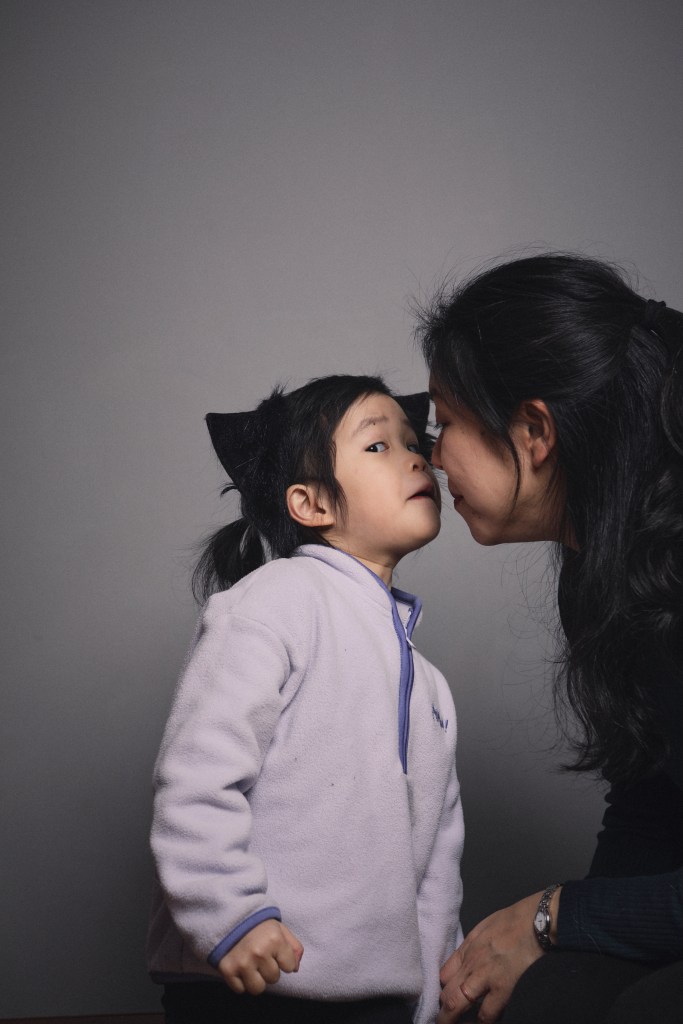
Being informed and having information are important. No one likes being told what to do, especially in parenting, but women need to be familiar with the signs of postpartum mood disorders, so that they can go and seek help if needed or reach out to other mums and friends.
Naz mentions that therapy is great, even if you are not showing signs of PPD. She says that sometimes it’s just nice to talk to someone, and being a first-time mother, you are becoming a new version of yourself and going through many changes. “In my ideal world, all mothers would be given the chance to have a therapist to talk to after giving birth. Becoming a mother is unique to women, so we should look out for each other. We should be able to speak freely; are you coping? What can I do, and do you want to seek help?”
Women should not be ashamed to ask for help or go to therapy. It doesn’t mean you don’t love your child. “Despite a challenging start, now my bond with my daughter is very strong, and together we are a little team. Getting help got me to bond with my family, become my own person again, and understand what it is I need to be this person.”


Leave a comment